
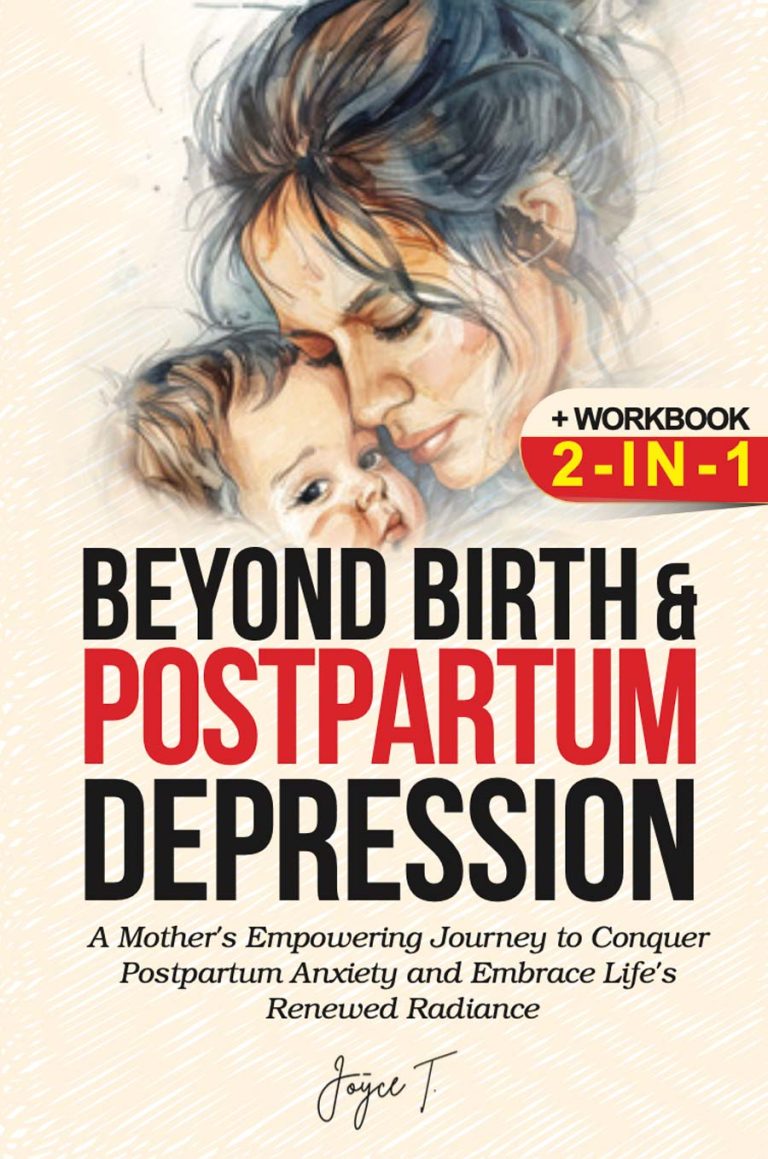
Motherhood is often portrayed as a blissful, picture-perfect time, but for many women, it is accompanied by a range of complex emotions that can sometimes lead to postpartum depression (PPD). This reality is often misunderstood, leaving new mothers feeling isolated, confused, and overwhelmed. In Beyond Birth and Postpartum Depression: A Mother’s Empowering Journey to Manage Postpartum Anxiety and Embrace Life’s Renewed Radiance, Joyce T. offers a holistic guide to help mothers recognize, manage, and overcome postpartum depression. This first book in the Beyond Birth series provides a supportive and practical approach to maternal mental health, making it a vital resource for new mothers, experienced moms, and those seeking to support others through the often unspoken challenge of postpartum depression.
A Holistic Approach to Postpartum Depression
In Beyond Birth and Postpartum Depression, Joyce T. combines scientific understanding with relatable personal experiences to provide a comprehensive look at postpartum depression and anxiety. She emphasizes that postpartum depression affects 1 in 5 women, yet it is often left unaddressed or misunderstood. The book outlines the difference between postpartum depression and the common “baby blues” and provides tools for mothers to identify the signs and symptoms of postpartum depression early on.
The author emphasizes the importance of understanding that postpartum depression is not a failure on the mother’s part. It is a mental health condition that requires care, compassion, and appropriate treatment. From cognitive behavioral techniques to mindfulness practices, Joyce T. equips mothers with evidence-based strategies to navigate the difficult emotions and challenges that come with postpartum depression. She also stresses the importance of self-care, nutrition, exercise, and sleep, offering practical advice on how to incorporate these essential elements into a busy routine.
A Supportive Network: Building Relationships and Overcoming Misconceptions
One of the key themes of Beyond Birth and Postpartum Depression is the importance of building a strong support network. Joyce T. recognizes that many mothers feel misunderstood or judged by those around them when they express their struggles with postpartum depression. This can lead to feelings of isolation and shame, further exacerbating the condition.
To combat this, Joyce T. offers strategies to help mothers communicate their feelings effectively, both to loved ones and mental health professionals. She encourages mothers to speak up about their experiences and seek support without fear of judgment. The book also provides insights for partners and loved ones, guiding them on how to offer meaningful support while maintaining their own mental health balance.
The focus on creating a community of support is a crucial aspect of the book. By normalizing conversations about postpartum depression, Joyce T. aims to reduce the stigma surrounding maternal mental health. She emphasizes that asking for help is not a sign of weakness but a step toward healing and recovery.
Cognitive and Mindfulness Techniques: Tools for Recovery
Joyce T. provides a range of practical tools and techniques that mothers can use to manage their postpartum depression. Cognitive-behavioral therapy (CBT) techniques are introduced as powerful ways to reshape negative thought patterns that often accompany depression. Mindfulness practices, which help mothers stay grounded and present in the moment, are also highlighted as an effective way to manage anxiety and overwhelming emotions.
Additionally, the book delves into the role of nutrition, exercise, and sleep in maintaining mental health. Joyce T. explains how these factors contribute to overall well-being and offers realistic tips on how mothers can prioritize these areas in their daily lives. Whether it’s a few minutes of mindfulness each day or small adjustments in diet, the book provides accessible strategies that can have a significant impact on mental health and recovery.
Interactive Workbook: A Personalized Journey Toward Healing
What sets Beyond Birth and Postpartum Depression apart from other books on postpartum depression is the inclusion of a detailed workbook. This interactive section is designed to help mothers actively engage with the material and apply the strategies to their own lives. The workbook features quizzes, activities, and worksheets that guide readers through identifying their triggers, tracking their progress, and building their personalized self-care plan.
This hands-on approach ensures that readers are not just passively consuming information but are actively working toward their recovery. The workbook provides mothers with the tools to recognize their strengths, develop healthy coping mechanisms, and prepare for future pregnancies or challenges. The step-by-step guidance empowers mothers to take control of their mental health and find renewed joy in their role as a parent.
Rediscovering Radiance and Joy
In Beyond Birth and Postpartum Depression, Joyce T. delivers a compassionate and insightful guide that empowers mothers to reclaim their joy and embrace life’s renewed radiance. The book addresses postpartum depression from multiple angles—scientific, emotional, and practical—providing a comprehensive resource for mothers and their support networks.
By offering both information and actionable strategies, Joyce T. ensures that mothers dealing with postpartum depression are not left feeling overwhelmed or helpless. Instead, they are equipped with the knowledge and tools to manage their mental health effectively. The book’s emphasis on holistic care, community support, and personal empowerment makes it a must-read for anyone navigating the complexities of postpartum depression.
Through Beyond Birth and Postpartum Depression, Joyce T. offers hope and a path forward for mothers seeking to heal, grow, and thrive.